Cyber Essentials Plus Certification – why it matters
Your WMS Provider should be Cyber Essentials PLUS Certified - this is what you need to know about data protection vulnerabilities for your WMS business.
Your WMS Provider should be Cyber Essentials PLUS Certified - this is what you need to know about data protection vulnerabilities for your WMS business.
Red Flags in WMS – Five Reasons your business might not be in the right place for an upgrade (yet). When it comes to WMS upgrades, not all projects are created equal. Over the [...]
Upgrading or updating your Warehouse Management System isn’t a decision to be taken lightly. There are technology considerations to be taken into account, and unless you are deploying a [...]
Warehouse Managers are on the front line when it comes to dealing with demand changeability. The need to build resilience into systems and processes is more urgent than ever, and underscores the [...]
Future-proofing your Supply Chain by increasing agility and resilience is a necessity these days. This is how to do it.
If you’ve not already implemented an advanced WMS (or you have, but you’re considering an upgrade), then this article talks about best practices when it comes to deploying a new WMS.
Things tend to move fast in the warehousing and logistics industry, mostly because if they don’t, then they’re likely to be overtaken by something (or someone) else. Like sharks, businesses must [...]
We are delighted to announce that Socius24 are finalists in the 2024 Go:Tech Awards for their Best Mobile Technology Award. We've been included as finalists because of our innovative WMS tool, [...]
How Socius24 helped RUBIX boost productivity by 110% - Read and download the full Socius24 RUBIX (formerly ERIKS UK & Ireland) Case Study here.
It’s fair to say that the world needs to urgently embrace sustainability when it comes to the way that it produces and distributes food. As the population of the planet grows ever larger, and the [...]
© 2026 Socius24 Limited | Company Registered in England and Wales 08389688 | Privacy Policy
Website: www.rhenus.group
LinkedIn: https://www.linkedin.com/company/rhenus-logistics/
The Rhenus Group is a leading global logistics service provider, with business sites around the world. They offer intelligent solutions along the entire supply chain, providing services for Thailand, Hong Kong, Singapore, India, Vietnam, Malaisia, Philippines, and the Mainland of China within the APAC region.

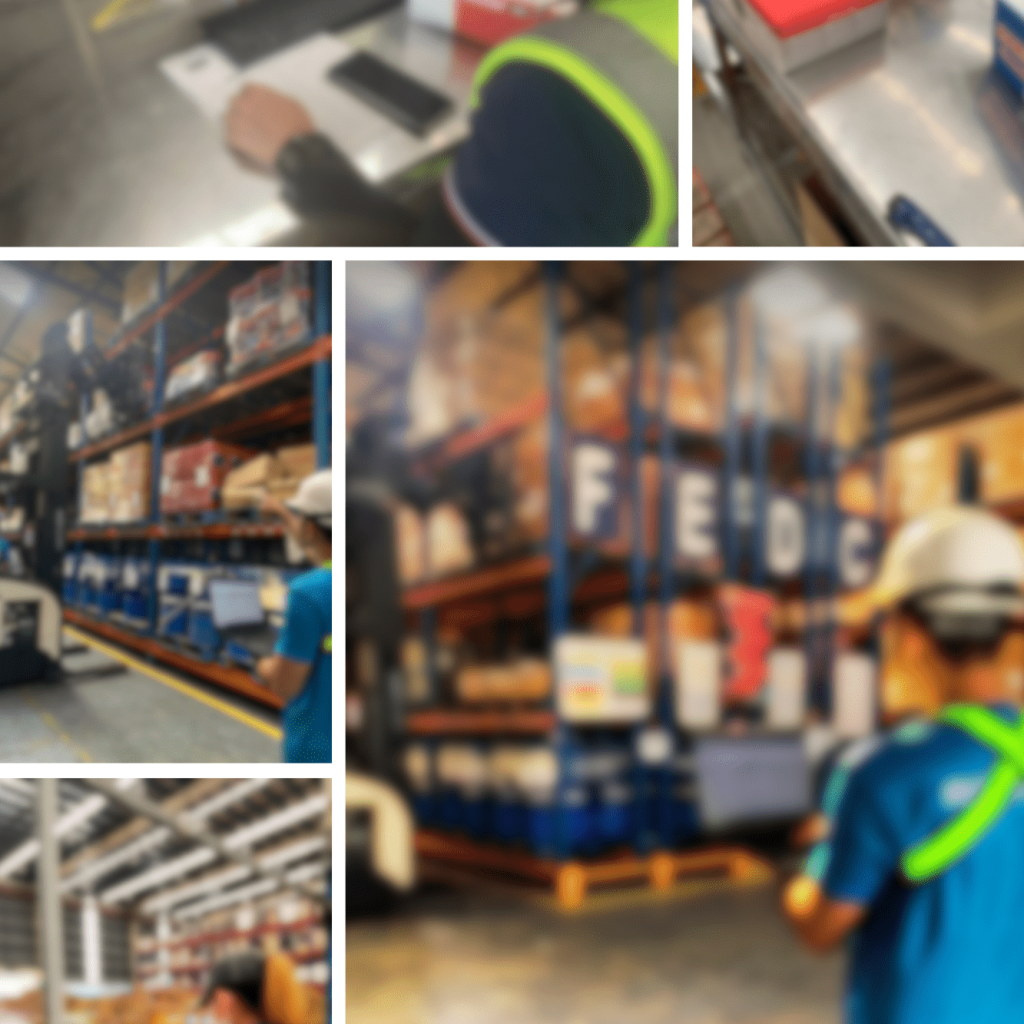
Rhenus is a globally successful company – with a family feel and ethos. This is something that the company openly acknowledges to be an unusual combination. Trust is one of their most important business values, as is a respect for performance – and they prioritise giving their employees the freedom to share ideas. The business firmly believes that caring about its employees and their careers is a factor that has contributed to its success.
Rhenus Transport-Gesellschaft was founded by Badische Actiengesellschaft für Rheinschiffahrt und Seetransport and Rheinschiffahrts-Actiengesellschaft.
It became part of VEBA after a subsidiary of VEBA took over the share majority. Subsequently, Rhenus was taken over by Hugo Stinnes AG. Then Hugo Stinnes AG merged its inland shipping activities with Duisburger Fendel-Stinnes-Schiffahrt AG and Rhenus AG took over shipping, forwarding, and warehousing.
Rhenus formed an interest group with Stinnes Reederei AG and WTAG, operating as Rhenus-WTAG AG. WTAG later merged with Rhenus-WTAG AG, which became Rhenus AG. Rhenus expanded globally and formed three management companies. Rhenus Transport International was taken over by Schenker International AG. Midgard Deutsche Seeverkehrs-AG was integrated into the Rhenus Group.
Rethmann acquired Rhenus AG, and it operates as Rhenus AG & Co. KG. Rhenus acquired Transport Management International Holding B.V. and establishes joint ventures in Moscow and in the offshore logistics sector. Rhenus also expands its commitment to the automotive industry through the acquisition of Ferrostaal Automotive.
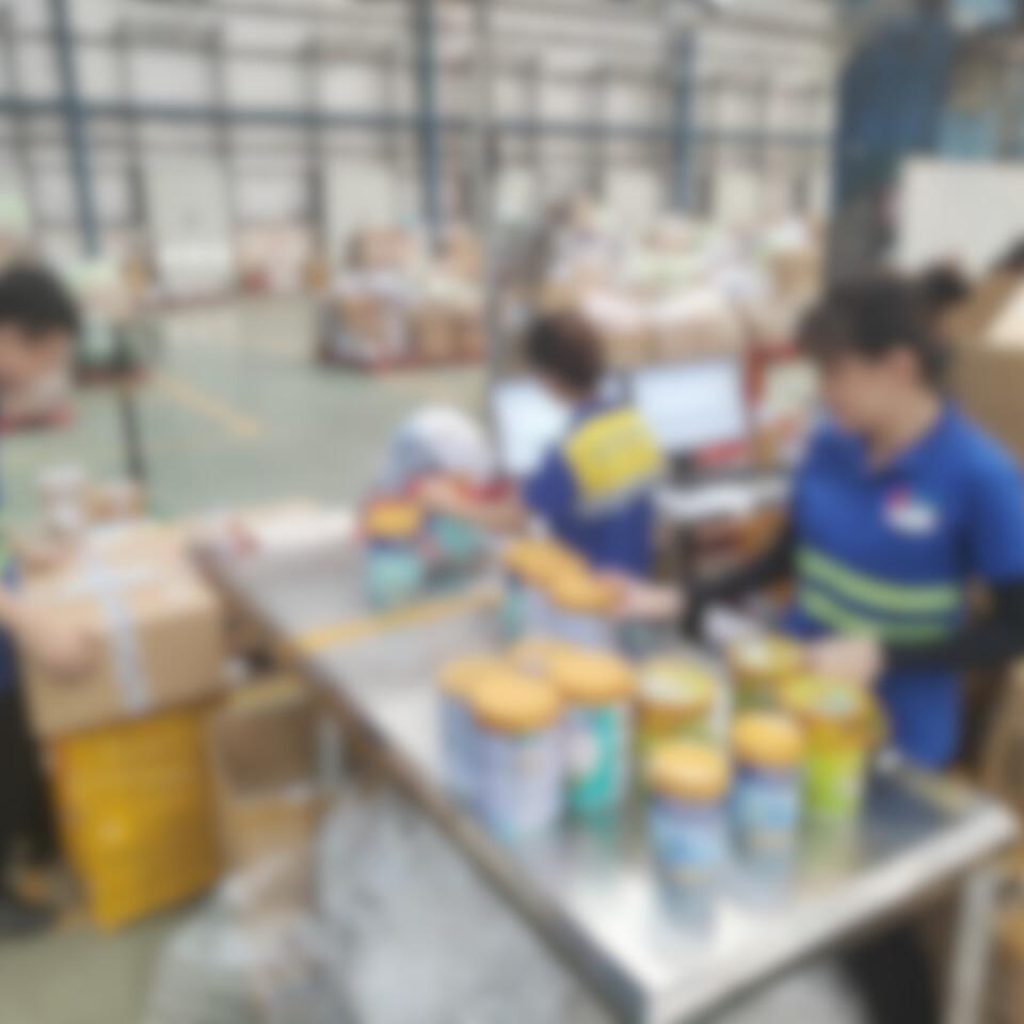
Rhenus needed real-time visibility into their inventory. They needed automated inventory tracking and replenishment. And they needed to optimise their warehouse space utilisation.
They needed accurate and timely order fulfillment, automated order processing, and they wanted to focus on minimising picking errors through barcode scanning and streamlining their order fulfillment workflows.
They were looking to find a way to maximise warehouse efficiency and productivity, and they wanted to address this by optimising picking routes, reducing travel time within the warehouse, automating task allocation, and then getting access to the kind of performance metrics that would help them identify areas for improvement.
As Rhenus grew, managing an expanding supply chain became more challenging. So, they needed scalability built into whatever solution they chose, plus the system would need to have the ability to handle increased order volumes, manage multiple warehouses or distribution centers, and then adapt to changing business needs without sacrificing any operational efficiency.
Rhenus were looking for a warehouse management system that offered them a range of advanced features that could be used to enhance their warehouse operations. They identified processes such as optimised picking routes, task automation, performance metrics, and real-time inventory tracking as being fundamental. Rhenus knew that these operations would help them to improve efficiency, accuracy, and productivity within their warehouses.
They also knew that they needed a scalable solution, something that would easily adapt and grow alongside their operations. This feature was particularly important for their business as it continued to grow and expand, because it enabled them to handle increased order volumes and manage multiple warehouses and distribution centres while continuing to add more.
Rhenus also knew that they needed something that would offer them highly configurable options. They required the ability to tailor any new system to their specific needs and to the existing workflows of their business.
And they knew that the best way to find a suitable solution would be to look for something that already had positive reviews and a strong reputation within the industry.
Rhenus integrated their WMS with their customer ERP/SAP systems for the warehousing business, and they are planning to do the same with their TMS and OMS solutions when they have been implemented.
Once they had installed Dispatcher WMS, the company also introduced Socius24’s User Services Portal (USP) as a WMS web portal in their APAC countries.
Rhenus provides USP access to both internal and external users. Most of the internal users work with USP when they perform repacking processes on behalf of specific customers, who need to process a high volume of repacking each day. With its streamlined functionality, USP has made the repacking process much faster and more efficient. Internal users also employ USP for its operational overview charts, which provide easily understandable graphical views of both WMS data and Rhenus’ KPIs.
Rhenus’ customers are their external USP users, and they access it to remotely monitor Dispatcher WMS data, so that they can independently query their inventory, orders, and other relevant data.
As Rhenus implements more and more clients and sites using Dispatcher WMS, their plan is to roll out USP to more of its clients and sites as well. Most of these sites will be in Asian countries, including India, but Rhenus EU and Americas have also implemented USP.
Dispatcher WMS and USP form the core system used by Rhenus Warehousing Solution BU – and in the APAC region Rhenus already have 250+ clients who have implemented this combination of systems.
Rhenus know that having a robust supply chain is going to play a crucial role in enhancing their future operational efficiency, reducing costs, and improving customer satisfaction. Because of this, their supply chain transformation strategy is firmly focussed on integrating advanced technologies like Dispatcher WMS and User Services Portal from Socius24. These systems help them to focus on optimising processes, and fostering strong partnerships that deliver exceptional value to their customers – while remaining adaptable and sustainable.
If you’ve enjoyed this article, subscribe for free to our weekly Newsletter
– The World of WMS –
for more of the same great information!